





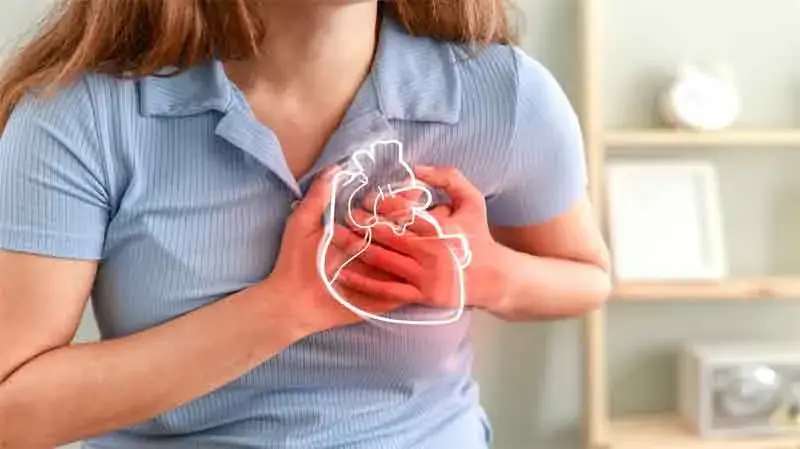
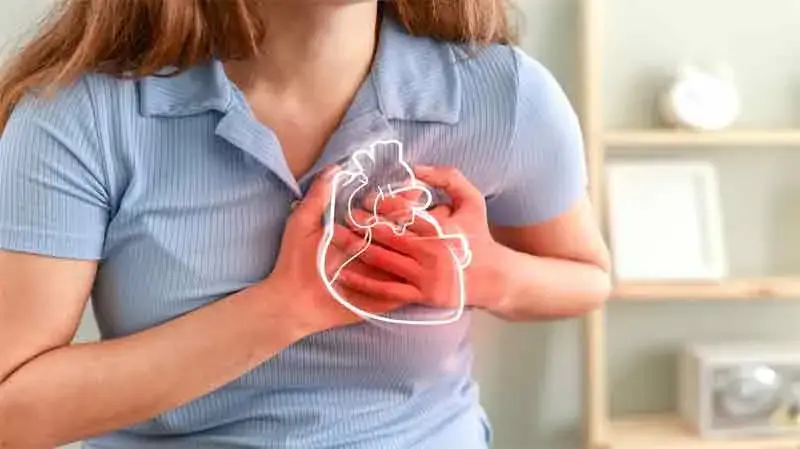
Chest pain is one of the leading reasons adults visit emergency rooms in the United States — accounting for nearly 11 million visits each year. While many people immediately associate chest pain with a heart attack, it can also stem from conditions like acid reflux, anxiety, or lung infections.
For women, however, chest pain can look and feel different than it does in men. Those differences sometimes lead to delayed diagnosis and treatment. Knowing what to watch for can make a life-saving difference.
Table of Contents
ToggleWhat Is Chest Pain?
Chest pain — medically referred to as angina — is discomfort felt anywhere between the neck and upper abdomen. It can present in different ways:
Sharp or stabbing
Dull or aching
Tight or squeezing
Heavy or crushing
The pain may radiate to other areas, such as the arms, jaw, neck, back, or even teeth. It can last minutes, hours, or in some cases become chronic if it persists for weeks.
It’s important to remember: chest pain isn’t a condition itself — it’s a symptom of an underlying issue.
One serious cause is Coronary artery disease, which restricts blood flow to the heart. But not all chest pain originates from the heart.
Non-Cardiac Causes of Chest Pain
Several conditions unrelated to heart disease can trigger chest discomfort, including:
Asthma
Anxiety or panic attacks
Gastroesophageal reflux disease (GERD)
Indigestion
Pneumonia
Because symptoms overlap, it’s not always easy to distinguish between heart-related and non-heart-related pain without medical evaluation.
How Heart Attack Symptoms Can Differ in Women
When people imagine a heart attack, they often picture dramatic chest clutching and sudden collapse. While that can happen, women frequently experience subtler signs.
Instead of intense pressure, women may notice:
Mild chest tightness or squeezing
Unexplained fatigue
Nausea or vomiting
Shortness of breath
Pain in the back, jaw, or shoulders
Sweating without exertion
Abdominal discomfort
Some women report a sharp, stabbing sensation rather than the classic “heavy pressure” feeling.
These differences can make symptoms easier to dismiss — which is why awareness is so important.
Risk Factors Women Should Know
Many risk factors for heart disease affect both men and women, including:
High blood pressure
High cholesterol
Obesity
Smoking
Physical inactivity
Family history of early heart disease
However, women also face additional risk factors, such as:
Autoimmune disorders like Lupus or Rheumatoid arthritis
Hormonal fluctuations
Emotional stress or depression
Pregnancy-related complications, including Pre-eclampsia
These unique factors can increase cardiovascular risk and sometimes make symptoms less typical.
When to Seek Medical Care
If chest pain lasts longer than five minutes, worsens, or does not improve with rest or medication, seek immediate medical attention. Even if symptoms seem mild, it’s always better to err on the side of caution.
At the hospital, doctors may perform several tests to determine the cause:
Blood tests to detect heart muscle damage
Chest X-ray to evaluate the heart and lungs
CT scan to assess blood flow and detect blockages
Electrocardiogram (ECG/EKG) to measure electrical activity and identify rhythm abnormalities
Prompt evaluation allows for faster treatment — and in heart-related emergencies, every minute matters.
Can Chest Pain Be Prevented?
Not all causes are preventable, but many heart-related issues can be reduced with healthy lifestyle choices:
Eat a balanced diet rich in fruits, vegetables, and whole grains
Engage in at least 150 minutes of moderate exercise weekly
Maintain a healthy weight
Get consistent, quality sleep
Limit alcohol
Quit smoking
Manage stress
Keep blood pressure and cholesterol under control
Routine checkups and screenings are especially important if you have a family history of heart disease.
The Bottom Line
Chest pain should never be ignored — particularly for women, whose symptoms may not match the classic presentation of a heart attack.
Understanding how chest discomfort can appear differently, recognizing personal risk factors, and seeking prompt care can significantly improve outcomes.
If you’re ever unsure about chest pain, contact your healthcare provider or seek emergency care. Trust your instincts — your health and safety are always worth taking seriously.