




I recently went into the corporate office to outline the 2026 sales strategy and planning framework. I set up in an open cubicle to work through my notes and organize the priorities for the day.
Not long after I settled in, a colleague I hadn’t seen in quite some time chose the desk next to mine. We started chatting and spent a few minutes catching up. It was a pleasant conversation, but I quickly realized it was running longer than I had planned. Knowing the amount of work waiting for me before my next meeting, I politely wrapped up the conversation so I could return to my tasks.
Throughout the day I moved in and out of that area while handling different responsibilities. Each time my colleague saw me, he paused his own work to share another story or show me something interesting.
By the fourth interruption he said enthusiastically,
“Hey, let me show you something cool.”
I replied, “I really don’t have the time right now. I need to finish a couple of things before my next meeting.”
A bit frustrated, he insisted,
“It will only take a few minutes.”
Staying focused, I responded,
“I can’t spare even a couple of minutes. I need to concentrate so I’m ready for my two o’clock meeting.”
Although he seemed disappointed, he respected my response and didn’t interrupt again. As a result, both of us were able to remain focused and productive for the rest of the day.
The Hidden Problem of Time Inflation
Most people have experienced something similar.
A quick email suddenly consumes half an hour.
A short errand stretches across the afternoon.
A task you estimated would take two hours ends up taking four.
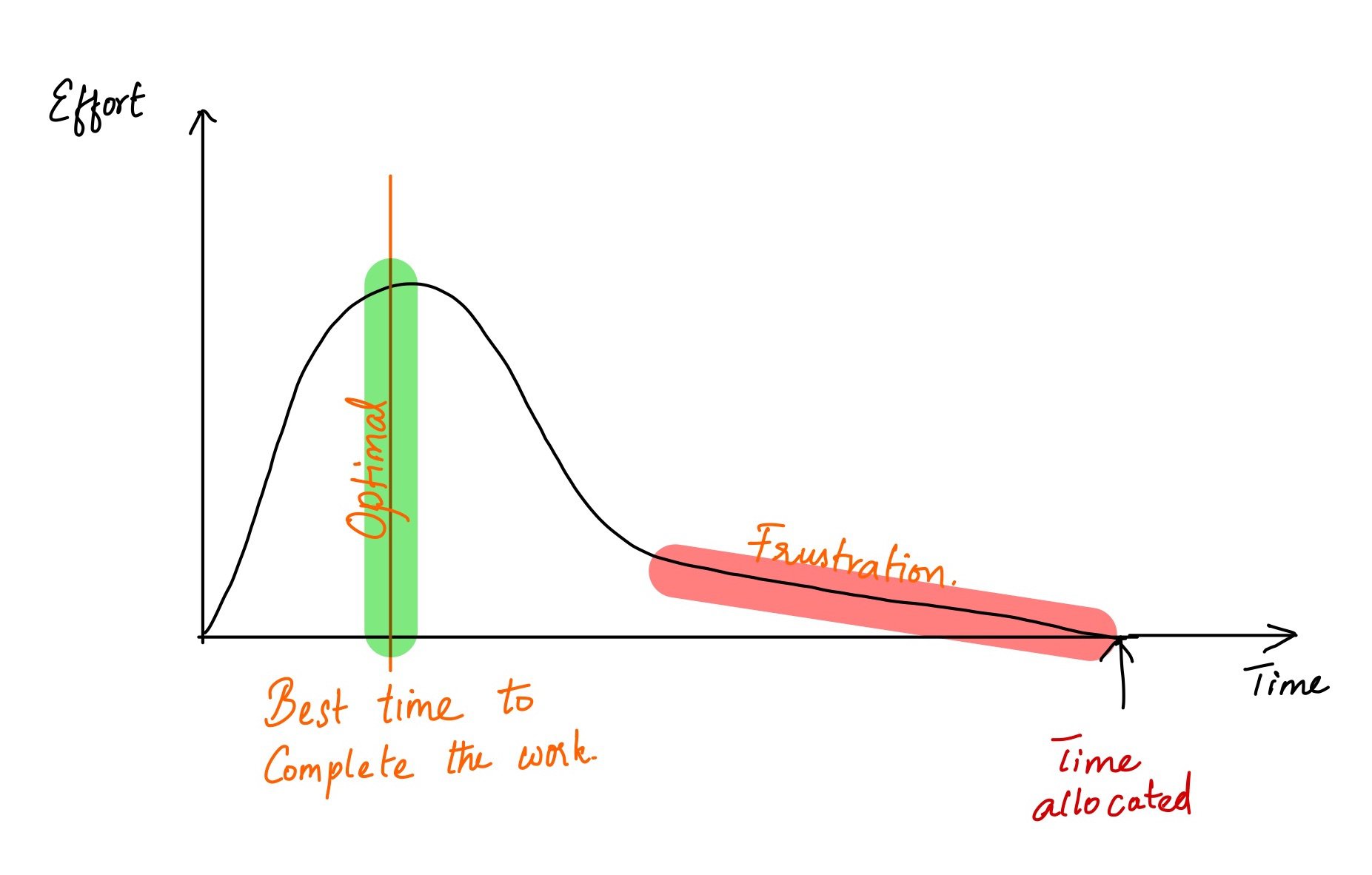
These small expansions are what I call time inflation—the tendency for tasks to grow beyond their original time estimate.
Time inflation is one of the main reasons people feel constantly busy yet struggle to complete meaningful work. It drains energy, increases frustration, and often leaves important tasks unfinished. However, just like economic inflation, time inflation can be understood and managed once we recognize its causes.
Why Time Inflation Happens
Interruptions from coworkers are only one example of how time expands during the day. In reality, several underlying factors contribute to the gradual erosion of our time.
Underestimating Task Complexity
We often assume tasks are simpler than they actually are. For example, writing an email may seem quick, but the process usually includes reviewing details, checking attachments, adjusting tone, and proofreading before sending.
What initially appears to be a five-minute task can easily take three times longer.
Context Switching
Every time we move from one task to another, our brain must refocus. Studies suggest it can take over 20 minutes to regain full concentration after an interruption.
What feels like a brief distraction can significantly increase the total time required to complete a task. This is why multitasking often reduces productivity rather than improving it.
Perfectionism
Striving for high quality is valuable, but perfectionism can quietly expand the time required for even simple tasks.
A report, presentation, or everyday activity can grow longer if we keep refining small details or adding “one more improvement.” While quality matters, chasing perfection can inflate time far beyond the original estimate.
Unexpected Interruptions
Despite our best planning, daily life rarely follows a strict schedule. Phone calls, messages, colleague requests, and minor emergencies often interrupt our workflow.
A task that should take thirty minutes may easily double when interruptions occur.
Decision Fatigue
The more decisions we make throughout the day, the more mentally exhausted we become. By the afternoon, even routine tasks can take longer because our brain is simply tired.
This mental fatigue gradually slows productivity and contributes to time inflation.
Understanding the Real Impact
Through the Time Management Analysis (TMA) process, a clear pattern appears across many professionals: most people underestimate task duration by 30 to 50 percent.
This gap accumulates quickly.
If you schedule eight hours of work without any buffer, time inflation can push your workload into ten or even eleven hours—or leave tasks unfinished.
The TMA highlights common areas where time inflation frequently occurs:
Emails
They appear quick but often become major time consumers.
Meetings
Scheduled for thirty minutes, they frequently run longer than planned.
Errands
Travel time, waiting lines, or unexpected stops can significantly extend the time required.
Projects
When projects are not broken into detailed steps, hidden complexity appears midway through the work.
By comparing estimated time versus actual time, the TMA reveals how much “invisible inflation” is affecting daily schedules.
Managing Time Inflation
The first step to controlling time inflation is recognizing that it exists. Once you understand how easily tasks expand, you can begin to plan more realistically and protect your time more intentionally.
Simple strategies such as scheduling buffer time, limiting interruptions, and breaking projects into smaller steps can dramatically reduce the impact of time inflation.
When time is managed deliberately, productivity increases—not because we work harder, but because we work smarter and with greater awareness of how our time is actually spent.