





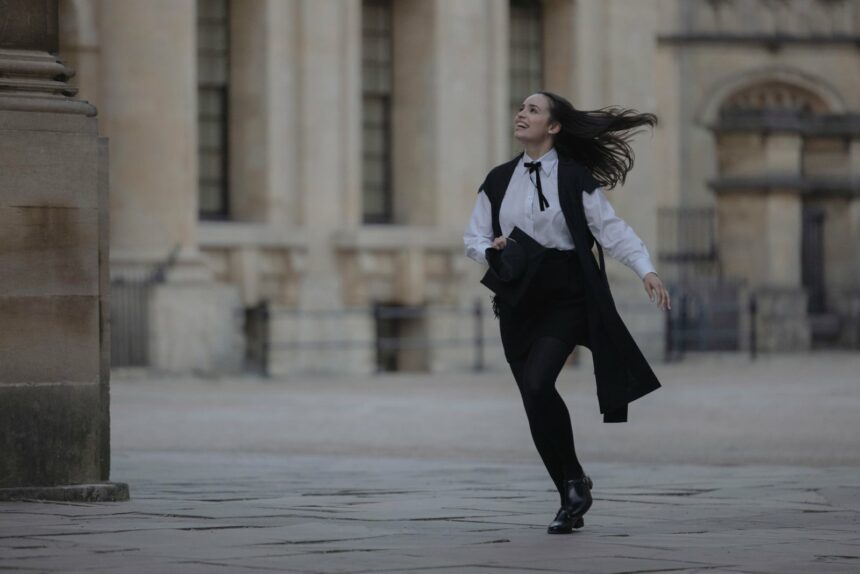
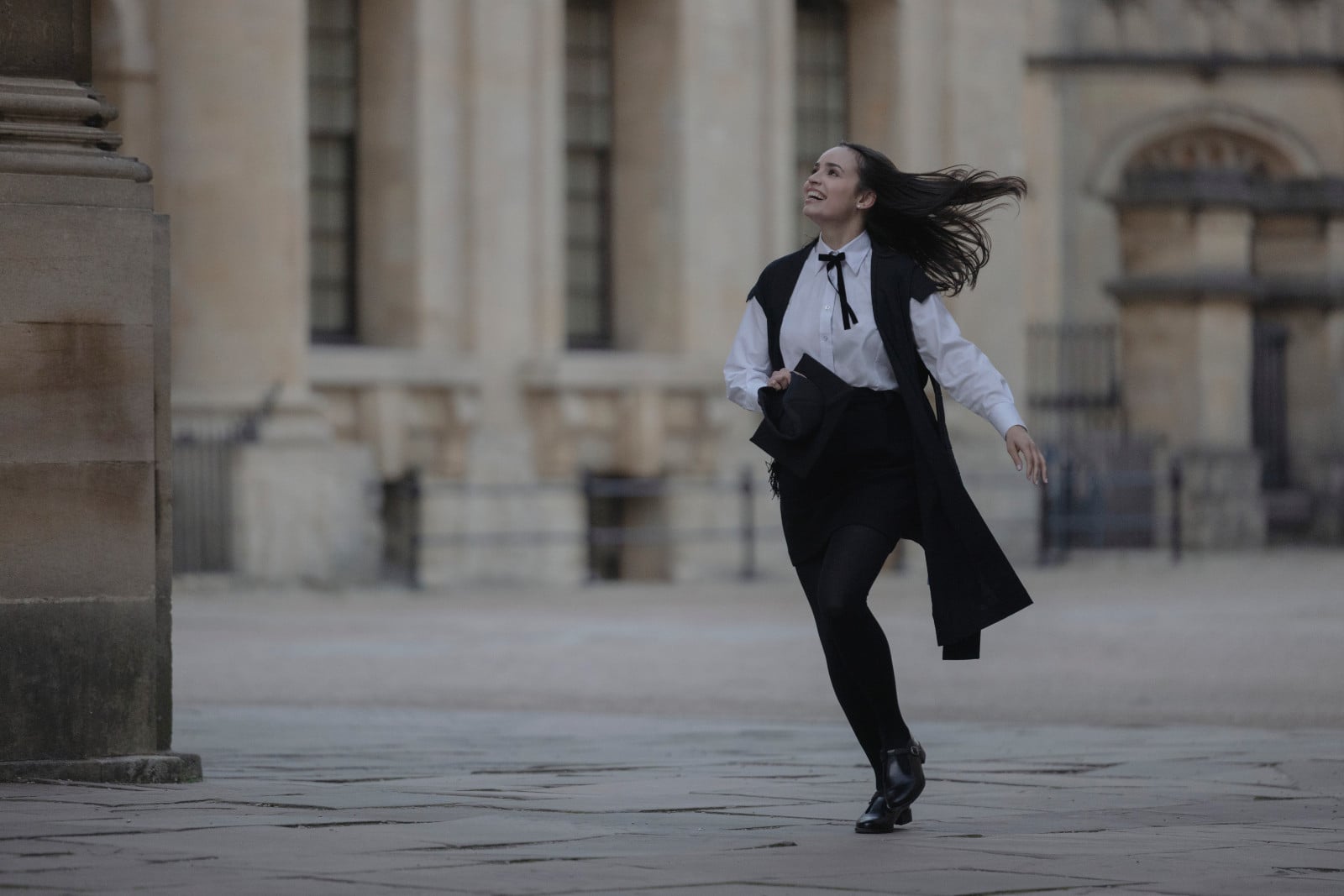
After years of bold silhouettes, sharp tailoring, and attention-grabbing fashion, a quieter shift is taking hold. Enter Poetcore — an aesthetic that values emotion, reflection, and personal meaning over spectacle. It’s not just about how clothes look, but how they feel and what they say about the person wearing them.
Rather than chasing impact, Poetcore celebrates intention. It’s fashion shaped by introspection, storytelling, and a sense of quiet presence.
A Cultural Turn Toward Softness
Trend forecasts suggest Poetcore is gaining momentum, especially among younger generations seeking authenticity in how they present themselves. Instead of dressing for approval or visibility, many are gravitating toward aesthetics that express mood, thought, and identity.
In a world defined by constant performance — both online and offline — Poetcore offers a different rhythm. It embraces softness, emotional depth, and a slower, more reflective way of being.
Where Literature Meets Style
At its heart, Poetcore is deeply rooted in literary imagination. It evokes images of quiet contemplation — writing in notebooks, reading in dim light, lingering in libraries, or simply observing the world with curiosity.
The aesthetic mirrors this mindset. Clothes drape gently rather than command attention. Layers feel organic and thoughtful. Silhouettes appear calm, introspective, and slightly romantic — like they belong to someone always in conversation with their own thoughts.
Unlike minimalism, which often prioritizes structure and restraint, Poetcore leans into softness with personality. It values natural beauty, individuality, and emotional presence. Nothing is excessive, but nothing feels empty either. Every piece carries intention.
A Natural Fit in the Indian Context
Poetcore resonates effortlessly within India’s textile and style traditions. Many elements of the aesthetic already exist in everyday cultural expression — handwoven fabrics, breathable cottons, mulmul, and linen that carry both history and emotional texture.
Flowing kurtas layered with shawls, sarees paired with understated blazers, or Nehru jackets styled with relaxed silhouettes reflect a distinctly Indian interpretation of poetic dressing. Earth-inspired tones — off-white, olive, soft brown, and muted neutrals — root the look in heritage while keeping it contemporary.
Here, Poetcore doesn’t feel imported. It feels familiar.
Why Younger Generations Are Drawn to It
Poetcore strongly appeals to Gen Z and Millennials, particularly those who value creativity, introspection, and storytelling. Its visual language often echoes cinematic influences — characters who dress like they are thinking as much as living.
Films like Dead Poets Society helped shape this mood: layered blazers, oversized coats, and softly structured outfits that feel personal rather than performative. The clothes don’t look styled for an audience — they look lived in.
Fabrics, Details, and the Language of Texture
Material plays a central role in Poetcore. The aesthetic favours fabrics that feel grounded and tactile:
Cotton voile
Linen
Silk blends
Soft wool
Details remain subtle but meaningful — delicate embroidery, covered buttons, relaxed tailoring, and oversized outerwear. Accessories are chosen thoughtfully, not for decoration but for character. A loosely tied scarf, a classic tie, or vintage eyewear can suggest quiet intellect — what many describe as “soft intelligence.”
Satchel bags have also become symbolic within the style. Associated with writers, thinkers, and travellers, they carry more than belongings — they carry narrative. Books, letters, notebooks — the tools of reflection.
Not Fantasy, But Everyday Poetry
Poetcore doesn’t rely on costume or escapism. Unlike aesthetics rooted in fantasy, it exists comfortably in everyday life. These are clothes you can wear to work, to class, or to dinner without feeling theatrical.
It’s not about becoming someone else. It’s about dressing more honestly as yourself.
More Than a Trend — A Way of Living
Ultimately, Poetcore reflects more than a fashion preference. It signals a broader cultural shift toward slowing down, paying attention, and valuing emotional depth.
In an age defined by speed, visibility, and constant noise, Poetcore chooses quiet expression. It embraces garments that feel lived in, carry memory, and leave space for thought.
While trends often chase attention, Poetcore moves differently. It reminds us that fashion doesn’t always need to be loud to be meaningful. Sometimes, the most powerful style is the one that speaks softly — and speaks personally.