





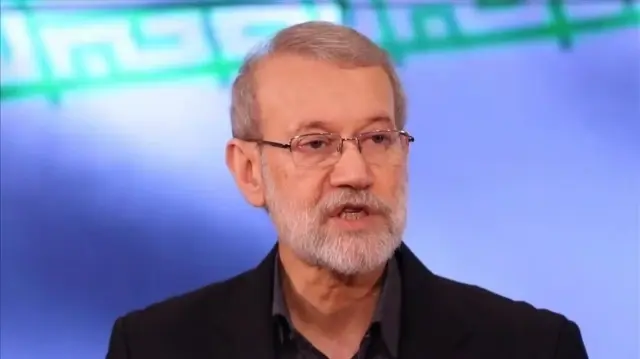

Israel has announced that it carried out overnight strikes resulting in the deaths of two senior Iranian figures. Among those killed was Ali Larijani, who served as secretary of Iran’s Supreme National Security Council, along with Gen. Gholam Reza Soleimani, leader of the Revolutionary Guard’s Basij volunteer force.
Larijani was widely regarded as a significant political figure within Iran’s power structure. Analysts often described him as a rare bridge between hardline factions and more pragmatic policymakers, giving him considerable influence across different segments of the government.
His death could have broader implications for the ongoing conflict. Experts suggest that losing a figure capable of navigating internal divisions may reduce the likelihood of Iran agreeing to a compromise or face-saving ceasefire in the near term.
The strike comes at a time of heightened tensions, raising further questions about how the conflict may reshape Iran’s internal political dynamics and its relationship with the public.
For a deeper analysis of how the war is affecting Tehran’s leadership and its evolving relationship with society, readers can refer to recent expert commentary on the subject.