





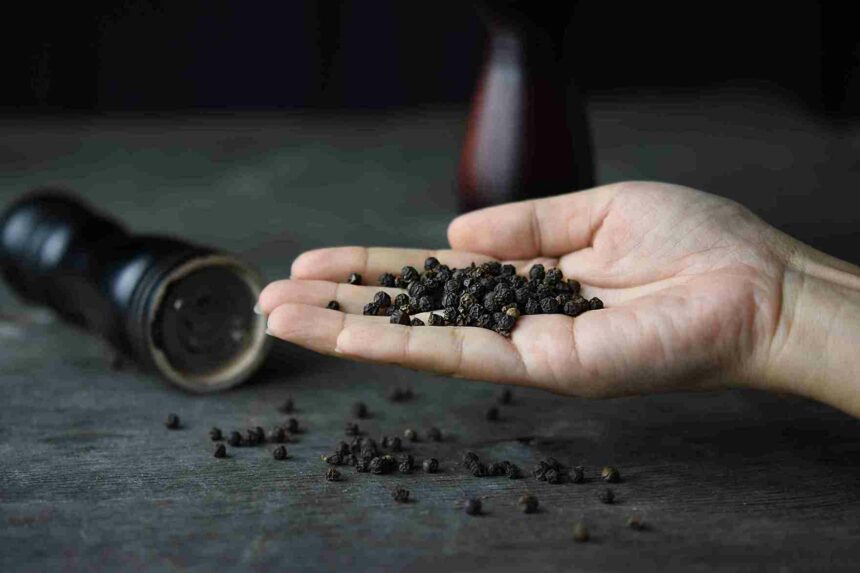

Black pepper—known as kali mirch in India—is far more than a seasoning that adds heat to food. This everyday spice supports digestion, improves nutrient absorption, and adds a gentle warmth that benefits the body, especially during seasonal changes. Its key active compound, piperine, is responsible for many of these effects, from boosting metabolism to helping the body make better use of nutrients from other foods.
Used regularly but in moderation, black pepper can quietly support gut health, immunity, and overall wellbeing.
What Is Black Pepper and Why Is It Unique?
Black pepper comes from the dried, unripe berries of the Piper nigrum plant, which grows naturally in India’s Western Ghats. Long before it became a global kitchen staple, black pepper was exported from Kerala and valued so highly that it earned the nickname “black gold.”
The peppercorns are small, round, and dark with a slightly wrinkled surface. Their flavour is sharp and warming, with a slow-building heat rather than an instant burn. This distinctive kick comes from piperine—the compound behind both its taste and many of its health-supporting properties.
Nutritional Value of Black Pepper
Although black pepper is used in small quantities, it plays an important supporting role in nutrition by enhancing digestion and nutrient absorption.
Key components include:
Piperine: Improves digestion, supports metabolism, and greatly enhances the absorption of nutrients like curcumin from turmeric
Essential oils (such as limonene and pinene): Contribute aroma and support gut health and antimicrobial activity
Antioxidants: Help protect cells from oxidative stress and support immunity
Approximate nutrition per 1 teaspoon (~2.3 g):
Energy: ~6 kcal
Carbohydrates: ~1.5 g
Dietary fibre: ~0.6 g
Protein: ~0.2 g
Fat: ~0.1 g
Minerals: Small amounts of calcium, iron, magnesium, and potassium
Rather than acting as a major nutrient source, black pepper works like a nutritional catalyst, helping your body extract more value from the foods you eat.
Health Benefits of Black Pepper
Despite being used in tiny amounts, black pepper offers several meaningful benefits:
1. Aids Digestion
Black pepper stimulates digestive enzymes, helping the body break down food more efficiently. This is why it’s traditionally added to dishes like rasam or herbal kadhas.
2. Helps with Colds and Cough
Its warming nature makes black pepper useful during colds, coughs, and congestion. Combined with honey or tulsi, it may help loosen mucus and soothe the throat.
3. Supports Weight Management
Piperine may help increase metabolic activity and limit the formation of new fat cells. While it’s not a standalone solution, it can support weight goals as part of a balanced diet.
4. Improves Nutrient Absorption
Black pepper is often paired with turmeric because piperine dramatically increases curcumin absorption, making meals more nutritionally effective.
5. Promotes Gut Health
With mild antibacterial properties, black pepper may help maintain healthy gut bacteria and reduce bloating or gas when consumed sensibly.
6. May Support Brain and Mood Health
Emerging research suggests piperine may influence neurotransmitters involved in mood and cognition, offering potential support for mental clarity and emotional balance.
Black Pepper vs White Pepper
Black pepper has a stronger flavour and is generally preferred for digestion and immune support. White pepper is milder and often chosen by those who prefer gentler heat or have sensitive digestion. Both come from the same plant, but differ in processing and intensity.
Possible Side Effects of Black Pepper
Black pepper is safe for most people when used as a culinary spice. However, excessive intake may cause:
Stomach irritation or acidity
Worsening of acid reflux or ulcers in sensitive individuals
Discomfort during pregnancy if consumed in large or medicinal doses due to its warming nature
Moderation is essential, especially for people with digestive sensitivities.
How to Use Black Pepper Daily
Black pepper is easy to include in everyday meals:
Sprinkle freshly ground pepper over dal, sabzi, eggs, or salads
Add it to soups, rasam, or curries for warmth and depth
Mix a pinch with honey for natural cough relief
Use it in herbal teas or kadhas during seasonal changes
For health purposes, about ¼ to ½ teaspoon of freshly ground black pepper per day is generally sufficient. It’s best consumed with meals rather than on an empty stomach.
Final Thoughts
Black pepper may be small, but its impact on both flavour and health is significant. When used thoughtfully, this humble spice can support digestion, immunity, and overall wellbeing—one simple pinch at a time.