





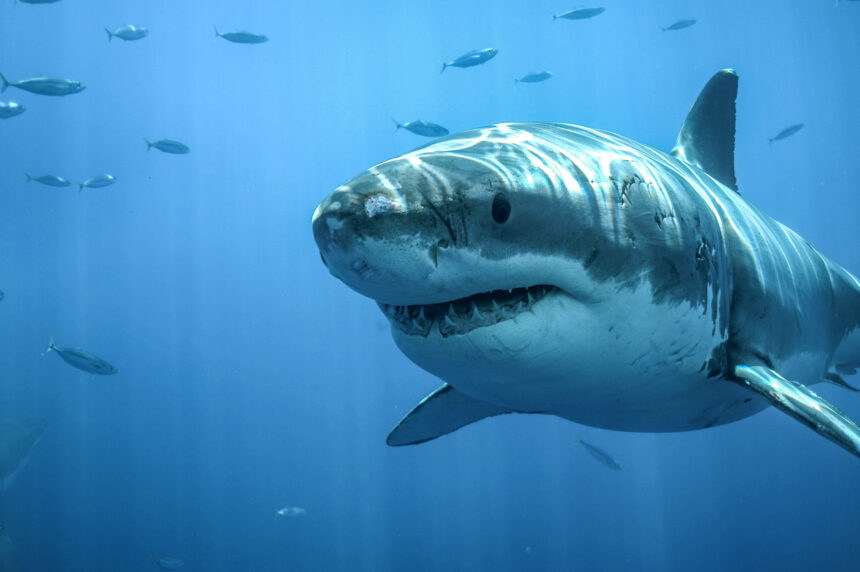

The latest data from The Great Shark Project offers a fascinating snapshot of marine activity in 2025, tracking monthly shark sightings along with the highest number of different species spotted during individual trips.
One thing is clear: the ocean is anything but static.
Throughout the year, researchers logged hundreds of shark encounters, with activity gradually increasing toward the later months. Bronze whaler sharks appeared frequently, while sightings also included great whites, sevengill cow sharks, Cape fur seals, dolphins, whales, and even orcas.
These observations reflect shifting predator dynamics along the South African coast. In particular, the growing presence of orcas has had a noticeable impact on shark behaviour—especially among great whites. As their numbers fluctuate, other species step in to occupy the ecological space. The rise in bronze whaler sharks, alongside large populations of Cape fur seals, highlights how quickly marine ecosystems adapt to change.
For volunteers involved in shark conservation, this data is more than just numbers. Participants actively contribute to real-world research—helping spot sharks, log sightings, and support long-term monitoring efforts that are vital for conservation.
Each outing offers a different experience. Some days are packed with extraordinary wildlife encounters, while others are quieter reminders that nature follows its own rhythm. Either way, every trip adds valuable insight to the growing body of research.
Being part of The Great Shark Project isn’t just about observing marine life—it’s about understanding it. Every sighting helps piece together a larger story about ocean ecosystems and the delicate balance that sustains them.